Where they fought.
Who they fed.
How they ate.
And the meals they missed most.
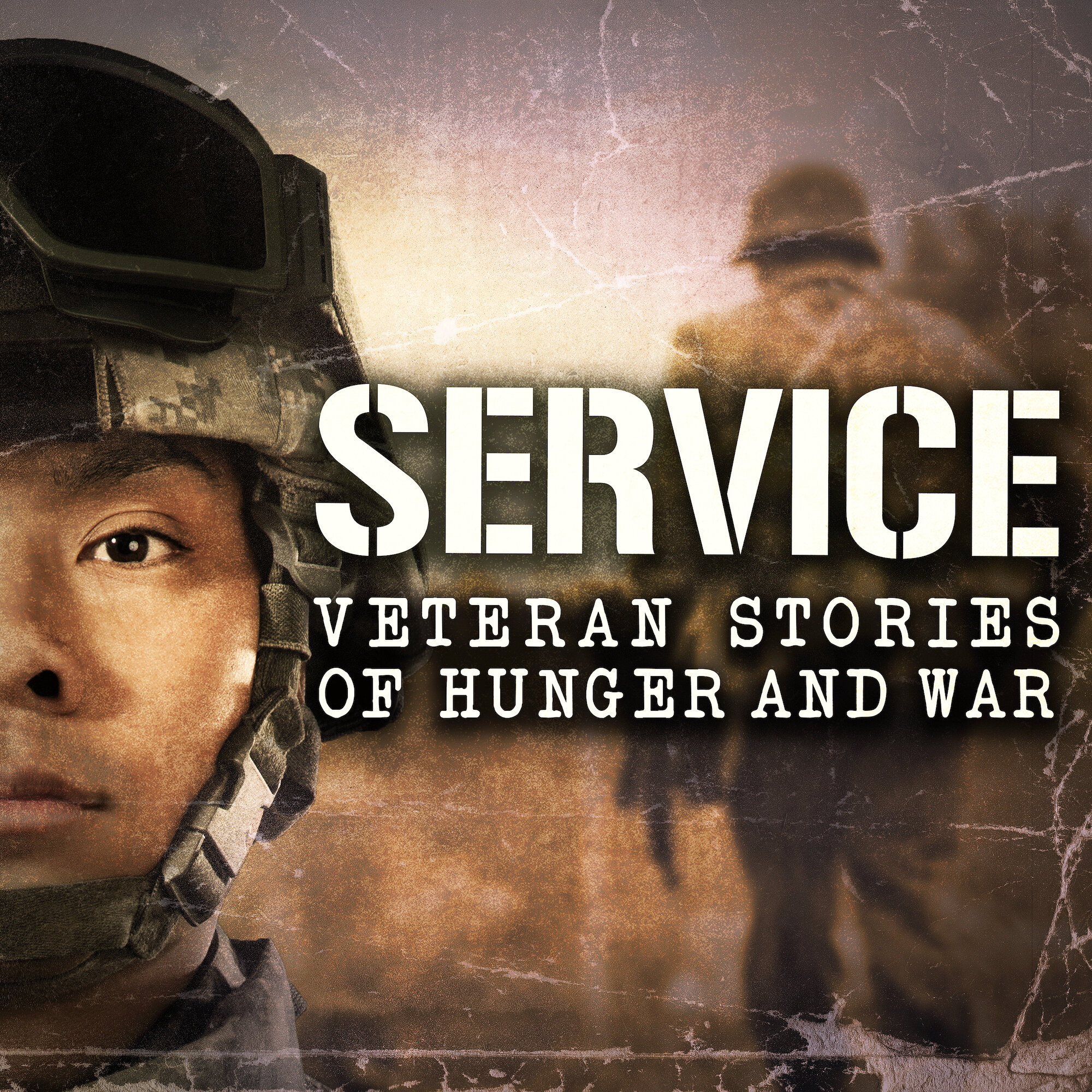
Image: The logo for Service: Veteran Stories of Hunger & War looks like a faded photograph with half the face of a Black soldier looking forward, and a retreating soldier walking out of frame.
How do our food stories change during wartime?
SERVICE: Veteran Stories of Hunger & War takes listeners back in time and around the globe, as veterans share their war+ food stories in a soundscaped time capsule.
In each episode, one veteran or wartime volunteer takes us through the sights, sounds, and smells of their childhood. We follow along the what brought them to training camps and front lines. And we hear how they ate at dining room tables and mess tents, all along the way.
Because everybody eats. And so as we listen to veterans amidst the sounds of farms and factories, barges and battlefields, and home kitchens and camp messes, we see ourselves in their stories, and our part in the collective whole.
Service premiered Veterans Day - November 11, 2019 - with iHeartRadio. It has been discontinued from iHeartRadio’s lineup with the reduction of budgets due to the Covid-19 virus. We are currently look for partnership and grants to continue with our Korean War season. Stay tuned.
Clips + Commercials
All Episodes
Executive Order 9981 officially desegregated the U.S. Armed Forces on July 26th, 1948. But racism within the integrated Air Force continued to affect pilot and engineer George Hardy’s service and sacrifice.
How did our World War 2 veterans change history forever? And what foods came out of World War II that we still eat today? Historians Myke Cole and Anastacia Marx de Salcedo join our WW2 veterans’ voices to connect some dots.
For women, World War 2 transformed service on the homefront and the frontlines. But they worked twice as hard for half the pay. Army Nurse Victoria Louise Kambic found a bag of sweets in her pocket helped.
The Marines are notorious for being first on the ground during wartime. What does 100-year old Norman Rubin remember about traveling the world and storming islands? (Guarding President Roosevelt! And the food!)
From dining room tables to D-Day, our World War 2 veterans share stories of their wartime sweethearts on this special Valentine’s Day episode.
Did education and affluence affect service in WW2? Navy Lieutenant Robert Hanson takes us from the Ivy Leagues onto the most dangerous boats of the Pacific, teaching Navy combat and island cuisine along the way.
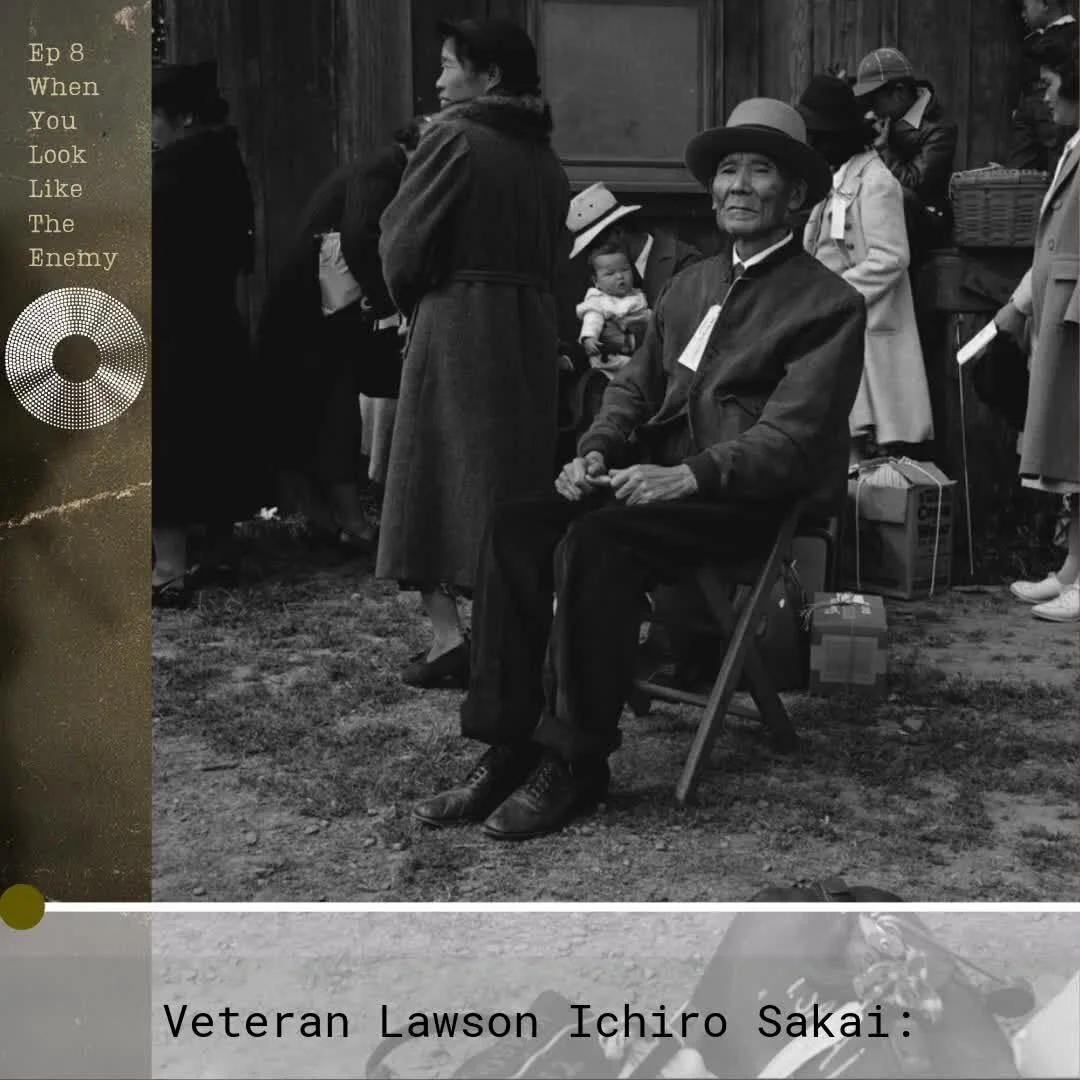
Japanese American citizens were prisoners of war in the U.S. during WW2. The Japanese American soldiers of the 442nd “Purple Heart Battalion” are the most decorated outfit in military history to this day. Lawson Ichiro Sakai shares a gripping story covering it all. (Free history lesson plans for this episode!
In this very special two-part episode, we explore how veterans from WW2 through today seek healing after their traumatic wartime experiences. And how civilians are using food to help. (Free history lesson plans for this episode!)
Harold Bud Long grew up during the Great Depression on his family farm in upstate New York. With farmers vital to winning WW2, how did Bud end up as an Air Corp engineer on D-Day, the Battle of the Bulge, and into concentration camps?
What did it take for an African American sailor to achieve rank in WW2? Navy veteran William Walker shares hardships and triumphs in his rise to Chief Petty Officer 1st Class, how soldiers, sailors, and civilians were fed in the Pacific, and how his Service was received on the homefront after the war ended. (Get free World War II history lesson plans for this episode, too!)
What was it like to be one of the first Black Air Corp pilots in history? George Hardy takes us from segregated training camps in the U.S. to escorting bomber planes in Europe, sharing food stories, hard memories, and high times alone the way.
Army Veteran John Bistrica barely made it past the beaches of Normandy on D-Day. His food supplies? Soaking wet! Hear how John got there, what he ate, and how he made it home.
How did the Coast Guard take fire on D-Day and in the Pacific? Gunner’s Mate Frank Devita takes us from the harrowing shores of Normandy into kamikaze attacks near Japan, sharing mischievous stories of how he fed himself fully along the way.
How did advancements in technology make or break missions for our WW2 veterans? Learn a little in this primer! (Extra episode!)
What did soldiers eat in WW2? Army veteran Pat D’Ambrosio takes us from Pearl Harbor through the draft and into the Pacific theater, and home again. (Get free World War II history lesson plans for this episode, too!)
“War may be good for a nation’s economy, but it’s horrible for a nation’s education.”
— Matthew Lynch, the edvocate
We have Common Core-aligned history lesson plans for Service! Find them here.


Ray Stanley Boutwell was one of seven brothers who served his country. As a Navy cook in New Jersey, he shares innovations in 1940s frozen meat, why the officers loved his food, and how cooking in the Service fueled him for a life in the professional kitchen.